Stage 4 / 5Digestion trail
What Is the BRAT Diet? A Calm Guide for an Upset Stomach
Bananas, rice, applesauce and toast have long been the go-to plate after a stomach bug. Here is what the BRAT idea gets right, where it falls short and why fluids matter more.
- Reading time4 min read
- Waymarked
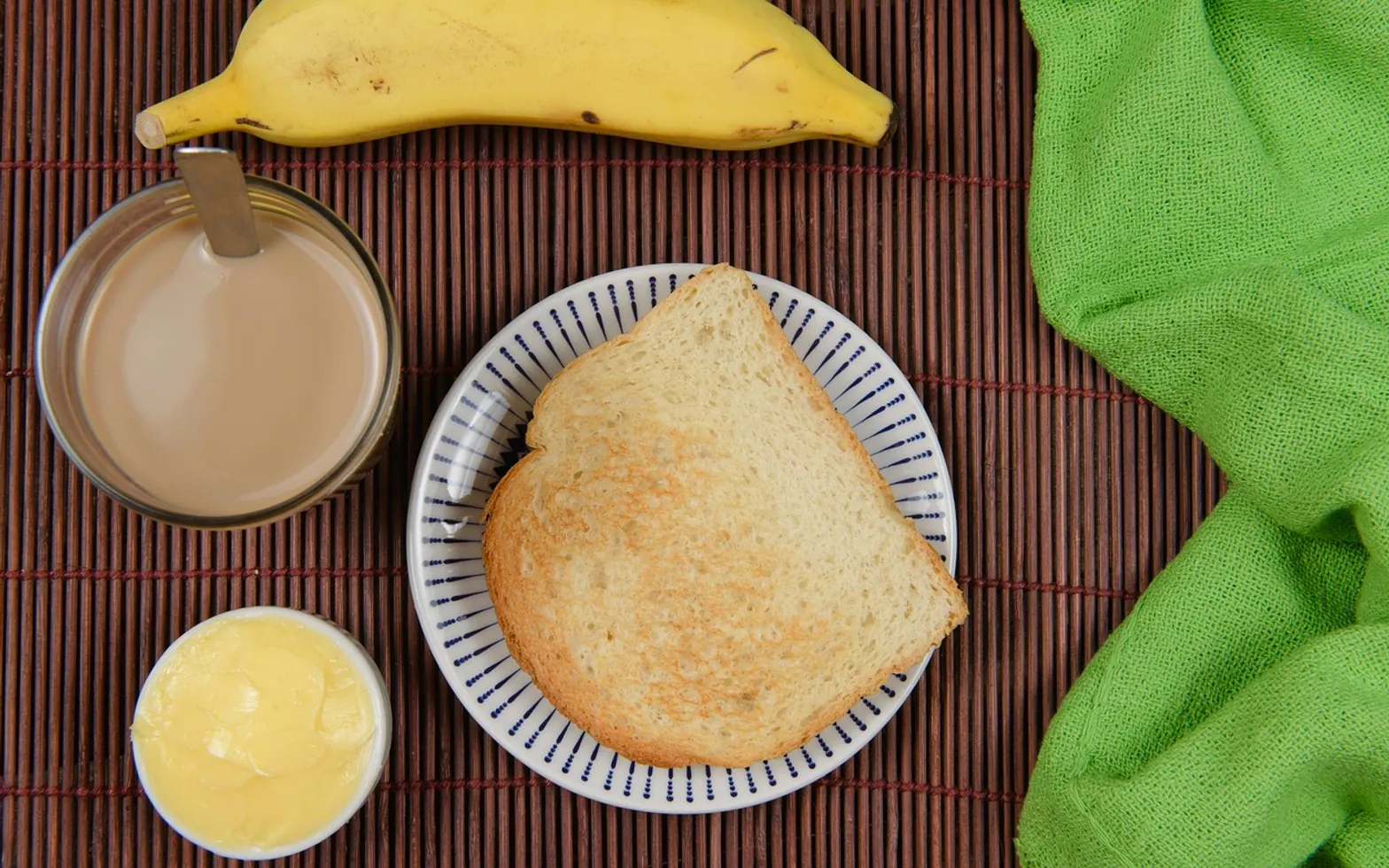
The BRAT diet is a short list of bland, low-fiber foods (bananas, rice, applesauce and toast) that people have long eaten after vomiting, diarrhea or a queasy stomach. The idea is simple: plain, starchy foods are gentle to digest and less likely to upset a sore gut. It can be a comfortable bridge for a day or so, but it is too limited to live on, and staying hydrated matters far more than which foods you pick.
The four foods, and why they were chosen
| Letter | Food | Why it made the list |
|---|---|---|
| B | Bananas | Soft, easy to eat and a source of potassium, which can be lost with diarrhea |
| R | Rice | Plain white rice is starchy and mild with very little fiber |
| A | Applesauce | Cooked apple is gentler than raw fruit and offers a little natural sweetness |
| T | Toast | Dry white toast is bland and easy to nibble when appetite is low |
What these foods share is that they are low in fat, low in fiber and lightly flavored. Fatty, spicy or very rich meals tend to sit badly when the stomach is irritated, so the list leans the other way.
Where the BRAT approach falls short
The list became popular because it is easy to remember, not because it is a complete meal plan. Its weak points are worth knowing:
- It is low in protein, fat and many vitamins. Eaten for several days, it leaves big gaps, which matters for anyone trying to recover their strength.
- It does nothing for fluids. Losing water and salts through vomiting or diarrhea is the real risk with a stomach bug, and four dry-ish foods do not replace them.
- Advice for children has moved on. Many health services now suggest that children return to their usual diet as soon as they feel like eating, rather than following a strict bland list. A pharmacist or doctor can tell you what applies to your child.
So the useful part of the idea is the principle of "gentle and plain for a short while", rather than the exact four foods.
Fluids come first
While the stomach is unsettled, small, frequent sips usually stay down better than large gulps. Water is a good base. Oral rehydration solutions from a pharmacy are designed to replace both water and salts, and a pharmacist can explain how to use them, particularly for young children and older adults, who can become dehydrated more quickly.
Very sugary drinks and undiluted fruit juice can sometimes make diarrhea worse, and fizzy drinks can add to gas and bloating. If you are already uncomfortable, our guide on how to reduce bloating has more on drinks that tend to puff the belly up.
Other gentle foods that fit the same idea
If bananas and toast feel monotonous, plenty of other mild foods follow the same logic:
- plain crackers or rice cakes;
- boiled or mashed potatoes without butter;
- plain oatmeal made with water;
- clear broth or a light soup;
- plain pasta or noodles;
- a soft-boiled egg or a small portion of plain chicken once you feel ready for protein.
Foods that commonly cause trouble during recovery include fried and greasy dishes, strong spices, alcohol, large amounts of caffeine and, for some people, milk.
Moving back to normal meals
- Wait until vomiting has settled. Stick with sips of fluid until you can keep them down.
- Start small. A few bites of a bland food, then pause and see how your stomach responds.
- Add variety within a day or two. Bring back softer vegetables, eggs, yogurt if it suits you, and lean protein.
- Return to fiber gradually. Whole grains, beans and raw vegetables can come back once things feel steady.
- Listen for discomfort. If a particular food triggers cramps, set it aside for a few more days.
Mild wind and cramping are common as the gut settles again. Our article on positions to relieve gas describes a few gentle poses that can help in the meantime.
Questions people often ask
Is the BRAT diet good for nausea?
Bland, dry foods such as toast or crackers are often easier to face when you feel queasy, so the BRAT foods can be a sensible starting point. Eating little and often, sitting upright after eating and avoiding strong smells may also help. Nausea that lasts more than a couple of days, or comes with other worrying symptoms, should be checked.
How long should I follow it?
Think in terms of a day or two at most. The goal is to get back to a normal, balanced diet as soon as your appetite allows.
Does it help with ongoing digestive problems?
No. It is meant for short-term upsets. Pain that keeps returning after meals is a different matter, which our piece on stomach pain after eating looks at in more detail.
Call a doctor or get urgent help if …
- you cannot keep any fluids down, or vomiting lasts more than a day;
- you notice signs of dehydration such as very dark urine, passing little urine, dizziness or confusion;
- there is blood in your vomit or stool, or your stool looks black;
- you have severe belly pain or a high temperature;
- diarrhea continues for several days;
- the person unwell is a baby, a young child, pregnant, elderly or living with a long-term condition.
A pharmacist is also a good first stop for advice on rehydration and whether any over-the-counter remedy suits you.