Skip to content
Freshly signposted
First marker

Everyday health, gently explained

Small daily habits, a happier body

Kind, practical reading on digestion, stretching, desk posture, heart health and walking. Small steps you can try today, and clear notes on when to see a doctor.

Begin here See every stage

26 stages 6 trails 94 min of reading

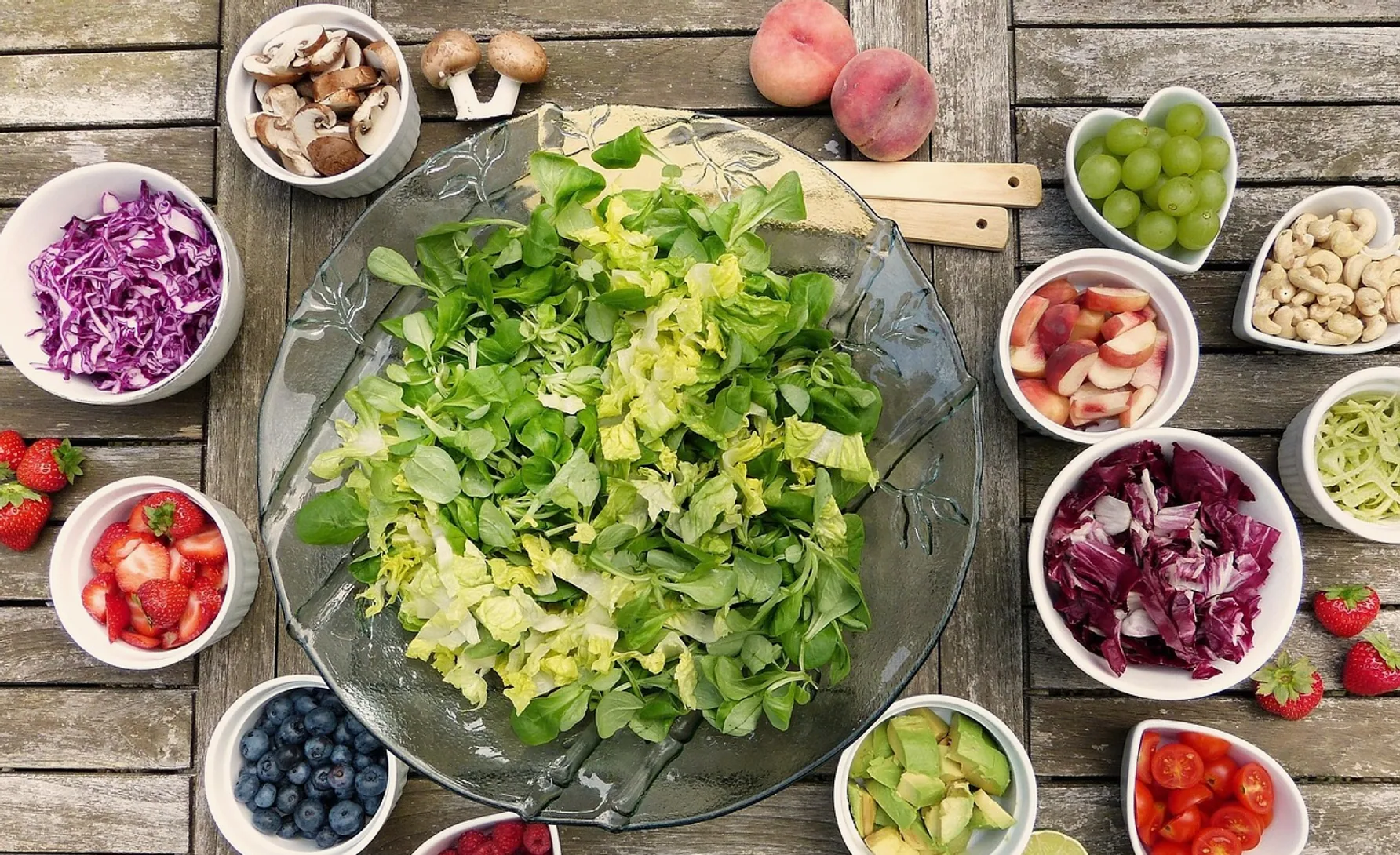
Salad, fruit and berry
You are here · Health

Featured route

A good first read

Digital Signage: Improving Visitor Experience in Healthcare Settings
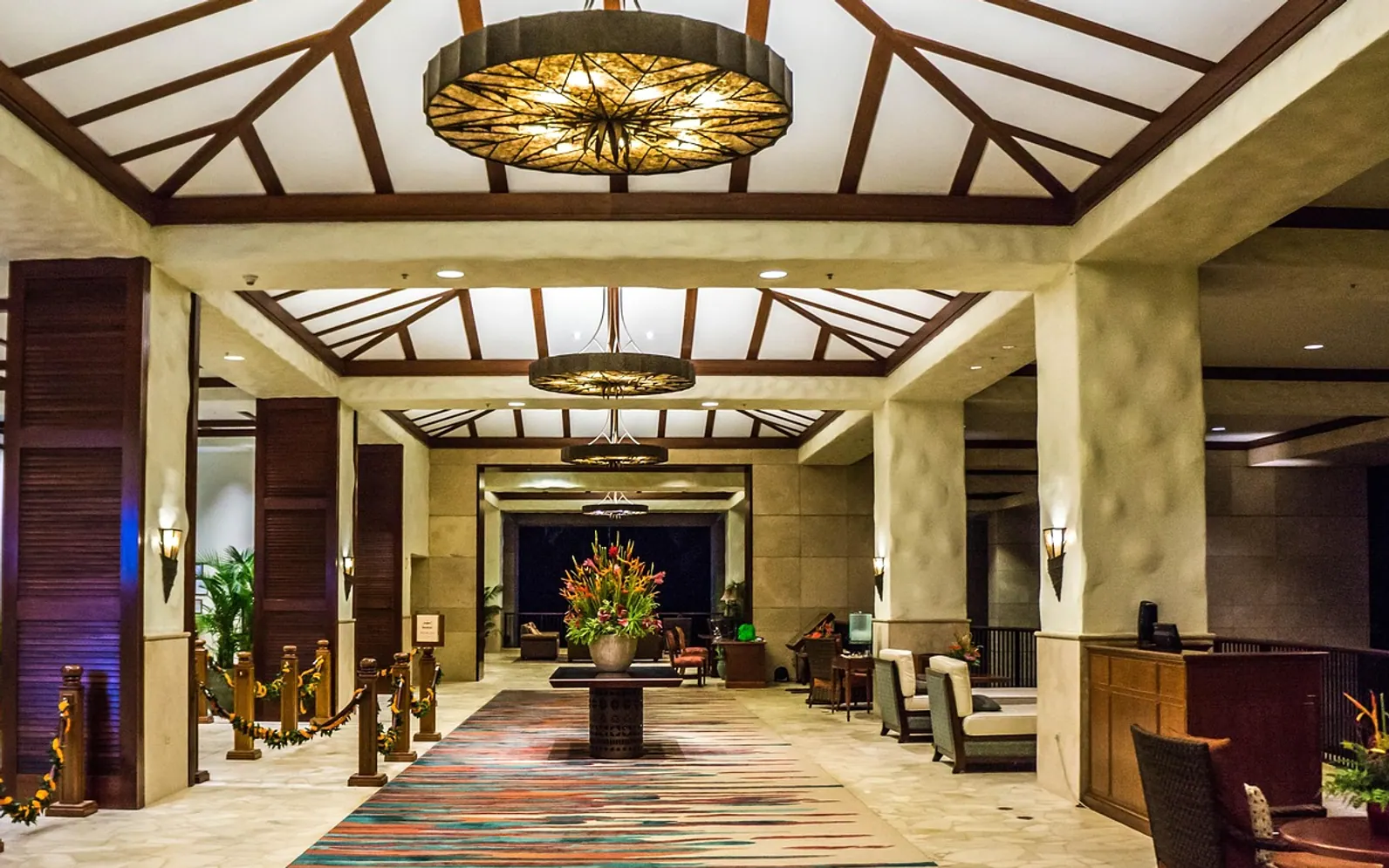
Ko olina marriott, hotel and resort

Picture someone arriving at a large hospital for the first time, holding an appointment letter and a parking ticket, already a little worried about the person they have come to see. Every confusing corridor adds to that worry. Good information design cannot change the reason for a visit, but it can make the hours around it noticeably easier. Following that visitor step by step shows where well-placed screens earn their keep.

Arriving and finding the way

Entrances are where first impressions form. A screen just inside the door that shows today's clinic locations, lift access and the quickest route to each wing saves people from stopping at reception just to ask directions. Because the content is digital, it can change when a department moves or a corridor closes for maintenance, rather than waiting for new printed signs. Interactive maps at junctions let visitors search by department or ward name and see their route highlighted. Clear contrast, large type and simple symbols help older visitors and anyone reading in a second language.

Waiting without watching the clock

Waiting rooms shape how a whole visit is remembered. Screens that show calm imagery, gentle seasonal content or short explanations of what happens next can take the edge off a long sit. Queue displays that call people by ticket number protect privacy and stop the anxious habit of asking staff whether a name has been missed. Short, plain-language health features also make good use of the time, provided they are general and reviewed by the clinical team.

Facilities planning this kind of setup often start by looking at purpose-built digital signage displays, which come in sizes suited to entrance halls, corridors and smaller waiting areas. Choosing hardware designed for long running hours makes it easier to keep information on screen all day, and a central content system lets one team update every screen from a single place.

What to show, and where

AreaUseful content
Main entranceDirections, opening hours, visiting times, accessibility routes
Corridors and liftsFloor guides, department names, reminders about hand hygiene
Waiting roomsQueue numbers, what to expect, calm visuals, general wellbeing tips
Cafe and shop areasOpening times, on-site services, transport information
Staff areasShift notices, training reminders, internal updates

Timely notices and the unexpected

Visiting rules, parking arrangements and clinic schedules change more often than most people expect. Digital screens make it simple to post an update the moment it is confirmed, instead of relying on paper notices that fade or go missing. In an emergency or a planned drill, the same network can show clear instructions alongside alarms and staff guidance, which supports a calm and orderly response.

Keeping it human

Screens work best as helpers, not replacements for people. A visitor who is upset still needs a kind word from a volunteer or receptionist. Content should be accurate, current and easy to read at a glance, and it should never feel like advertising in a place where people are often anxious. Teams that review their screens regularly, remove stale messages and ask visitors what they found useful tend to end up with a system that genuinely makes a difficult day a little lighter.
Open the full stage

Seokchon Lake and Olympic Park: Easy Walks in Southeast Seoul

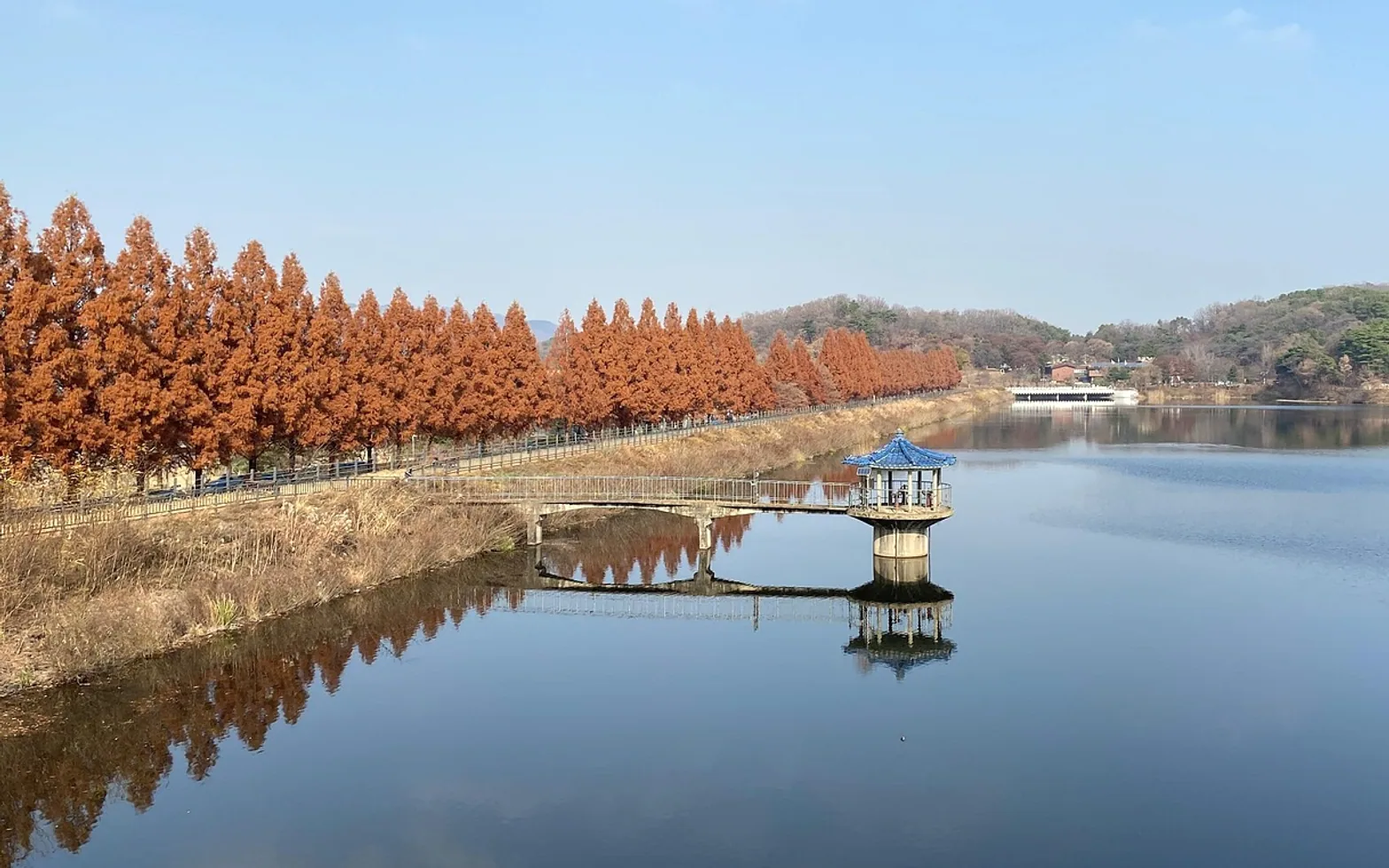
Lake, nature and trees

If you want an easy, flat walk in Seoul that needs no hiking boots and no planning beyond a subway ride, Seokchon Lake and Olympic Park are two of the gentlest options in the southeast of the city. The lake offers a smooth loop path beside the water, the park offers broad lawns, tree-lined avenues and open-air sculptures, and the two sit close enough together to fit into a single unhurried afternoon. Both suit walkers of most ability levels, and both let you set your own pace.

Why these two places work so well for walking

Many city walks involve crossings, crowds and constant stopping. Here the paths are separated from traffic, the ground is mostly level, and there is enough space to stroll side by side. That combination matters if you are getting back into regular movement, walking with someone who prefers a steady rhythm, or simply want time outdoors without a workout feel. Our piece on the everyday benefits of a regular walk explains why this kind of low-key activity is worth building into a week.

The lakeside loop at Seokchon

Seokchon Lake is split into an eastern and a western section, and a paved path follows the shoreline of each. You can walk one side, both sides, or turn back whenever you like, which makes it easy to keep the outing as short or as long as your legs prefer. The water keeps the views changing, and the path is wide enough for a relaxed pace even when other walkers are around. Trees line much of the route, so parts of it stay shaded on warmer days.

Olympic Park lawns and sculptures

Olympic Park feels quite different. Instead of a single loop, it has a network of paths across rolling grass, ponds and earthen ramparts, with large outdoor sculptures dotted along the way. It is a good place to wander without a fixed route: pick a direction, follow whatever path looks inviting, and stop to look at the artworks. The open lawns make it easy to sit down for a few minutes or stretch your legs on the grass before carrying on.

Seasons on the paths

Both places change character through the year, and that alone can be a reason to return.

  • Spring: the lake is well known for its cherry blossoms, and the paths can become busy when the trees are in bloom. Going early in the day usually means a calmer walk.
  • Summer: look for shaded stretches, carry water and slow down in the afternoon heat. Mornings and evenings tend to be more comfortable.
  • Autumn: changing leaves bring warm colours to both the lakeside trees and the park avenues, and cooler air makes longer strolls pleasant.
  • Winter: the paths are quieter. Wrap up well, wear shoes with good grip and keep an eye out for icy patches.

Walking pace, benches and comfort

There is no need to treat this as exercise to be measured. A comfortable pace is one where you can still hold a conversation. If you are a little out of practice, start with one section of the lake and see how you feel before adding more.

Benches appear regularly along the lakeside and throughout the park, so short rests are easy to build in. Using them is not a sign of weakness: a few minutes sitting by the water lets the legs recover and gives you time to enjoy the view. If knees or hips tend to complain on longer outings, our guide to gentle knee exercises for everyday aches has simple moves that may help between walks. Anyone with a heart condition, recent injury or ongoing joint pain should check with a doctor about what level of activity suits them.

A few practical points make the outing easier:

  1. Wear cushioned, broken-in shoes rather than new ones.
  2. Bring water, especially in warmer months.
  3. Dress in layers, since the lakeside can feel breezier than nearby streets.
  4. Carry a small snack if you plan to stay out for a while.

Getting there by subway

Both places are reachable on the Seoul subway, and stations are signposted in English as well as Korean. Seokchon Lake sits beside the Jamsil area, while Olympic Park has its own station nearby. A transit card or a mobile payment option makes switching lines straightforward. Because the two are close to one another, many visitors start at one, walk or take a short ride to the other, and finish wherever suits their plans for later in the day.

Is it suitable for a first visit to Seoul?

Yes. The routes are simple to follow, signs are clear, and there is little risk of getting lost. It is also a calm counterpoint to the busier shopping and sightseeing districts, which is helpful if you are adjusting to a new time zone.

Can you walk both in one day?

For most people, yes, as long as you take it slowly. Doing the lake in the morning and the park after lunch, with a proper sit-down break in between, keeps the day relaxed rather than tiring.

Turning the walk into a full afternoon and evening

Southeast Seoul is a short ride from Gangnam, so a walk here can lead naturally into dinner a little further west. After an afternoon on your feet, a sit-down meal is a pleasant way to rest, and many visitors like to round off the evening with something sociable and low-effort.

Singing in a private room is a popular choice in Seoul for groups of friends or family, since you get your own space, choose your own songs and set your own pace. For planning, Korean-language guides such as Private Karaoke in Gangnam can be consulted alongside your usual research. If drinks are part of the evening, keep them moderate, alternate with water and leave the car at home, as the subway and taxis make getting back simple.

Whatever you add afterwards, the walk itself is the part your body will thank you for. Flat paths, water, trees and plenty of benches make Seokchon Lake and Olympic Park an easy way to turn a city day into a day with real movement in it.

Open the full stage

The trail network

6 trails · 26 stages

Newest guides

10 stages · Freshly signposted

  1. Lifestyle Stage 3/3

    Are Sweet Potatoes Healthy? What They Bring to Your Plate

    Sweet potatoes have a healthy reputation, and mostly they deserve it. Here is what they contain, how they stack up against ordinary potatoes and how cooking changes the picture.

    4 min read

  2. Lifestyle Stage 2/3

    Does Drinking Water Help You Lose Weight?

    Water is not a fat burner, yet it earns its place in any weight plan. A look at the realistic ways it helps, the myths that oversell it and easy habits for sipping more.

    4 min read

  3. Lifestyle Stage 1/3

    Does Diet Soda Cause Weight Gain?

    Zero-calorie fizz sounds like a free pass, yet diet soda keeps turning up in conversations about weight. Here is what is known, what is still debated and how to cut back without fuss.

    4 min read

  4. Heart Health Stage 5/5

    What Foods Are High in Potassium?

    Bananas get the fame, but beans, potatoes, leafy greens and many other everyday foods are rich in potassium too. Here is where to find it, why it matters and who should check first.

    4 min read

  5. Heart Health Stage 4/5

    Foods to Avoid With High Blood Pressure

    Salt hides in more places than the shaker. This guide lists the foods and drinks most worth cutting back on when blood pressure is high, plus easy swaps and a word on medicines.

    4 min read

  6. Heart Health Stage 3/5

    Foods to Avoid With High Cholesterol (and What to Eat Instead)

    Cutting back on a handful of foods rich in saturated and trans fats is one of the most practical steps for cholesterol. Here is the list, the reasoning and easy swaps for each.

    4 min read

  7. Movement Stage 5/6

    Knee Exercises for Pain: Gentle Moves to Build Support

    Strong thigh and hip muscles take pressure off a grumbling knee. These low-impact exercises can be done at home with a chair and a towel, and a few rules keep them safe.

    4 min read

  8. Movement Stage 4/6

    Hip Stretches for Pain and Everyday Stiffness

    Long hours in a chair leave many hips feeling tight and grumbly. A short mix of gentle stretches and a couple of strengthening moves can help, with clear signs for when to get checked.

    4 min read

  9. Movement Stage 3/6

    Neck and Shoulder Stretches for Stiff Desk Days

    Hours at a screen can leave the neck and shoulders feeling like one solid knot. These seven slow stretches take a few minutes and can be done at your desk or by a doorway.

    4 min read

  10. Digestion Stage 5/5

    Stomach Pain After Eating: Common Causes and Gentle Fixes

    A sore belly after meals is common and often linked to how or what we eat. Here are the everyday reasons, simple changes worth testing and the warning signs to take seriously.

    4 min read

The whole walk

Every article since the first marker, left to right, sized by reading time.

  1. Digital Signage: Improving Visitor Experience in Healthcare Settings, 2 min read
  2. The Connection Between Male Enhancement and Depression, 3 min read
  3. Smart Ways to Finance a Bright Implant Smile, 3 min read
  4. Complement or Contrast? Aligning PRI With Cognitive Behavioral Methods, 3 min read
  5. Braces or Clear Aligners: Choosing Orthodontic Paths with Confidence, 3 min read
  6. Why IVG SAVR Wins on Simplicity: A Closer Look at Ease, Taste, and Value, 2 min read
  7. How Reusable Vapes Make the Transition from Smoking Easier, 2 min read
  8. How to Get Rid of Hiccups, 4 min read
  9. How to Reduce Bloating, 4 min read
  10. How to Stretch Your Lower Back Safely, 4 min read
  11. How to Improve Your Posture at a Desk, 4 min read
  12. How to Lower Cholesterol Naturally, 4 min read
  13. The Benefits of Walking Every Day, 3 min read
  14. Positions to Relieve Gas: Poses and Stretches That Help, 4 min read
  15. What Is the BRAT Diet? A Calm Guide for an Upset Stomach, 4 min read
  16. Stomach Pain After Eating: Common Causes and Gentle Fixes, 4 min read
  17. Neck and Shoulder Stretches for Stiff Desk Days, 4 min read
  18. Hip Stretches for Pain and Everyday Stiffness, 4 min read
  19. Knee Exercises for Pain: Gentle Moves to Build Support, 4 min read
  20. Foods to Avoid With High Cholesterol (and What to Eat Instead), 4 min read
  21. Foods to Avoid With High Blood Pressure, 4 min read
  22. What Foods Are High in Potassium?, 4 min read
  23. Does Diet Soda Cause Weight Gain?, 4 min read
  24. Does Drinking Water Help You Lose Weight?, 4 min read
  25. Are Sweet Potatoes Healthy? What They Bring to Your Plate, 4 min read
  26. Seokchon Lake and Olympic Park: Easy Walks in Southeast Seoul, 5 min read

5 min read

Print it, tick it

A gentle week of everyday habits

Seven small things to try this week. Tick a box when you manage one, and leave the rest without guilt.

HabitMonTueWedThuFriSatSun
Put the fork down between bites at one meal
Stand up and stretch once every hour at the desk
Take a ten-minute stroll after dinner
Swap one fizzy drink for a glass of water
Five slow minutes of floor stretches
Add oats, beans or lentils to one meal
Lights out at roughly the same time

These are everyday ideas, not a treatment plan. If something hurts or worries you, check with a doctor first.

Longer walks

Picked by real reading time