Stage 1 / 3Guides & Tips trail
The Connection Between Male Enhancement and Depression
Few topics carry as much silent pressure for men as sexual performance. Advertising, online forums and casual jokes all hint that a "real man" should never have doubts in this area. When…
- Reading time3 min read
- Waymarked
- Revised
- CategoriesHealth
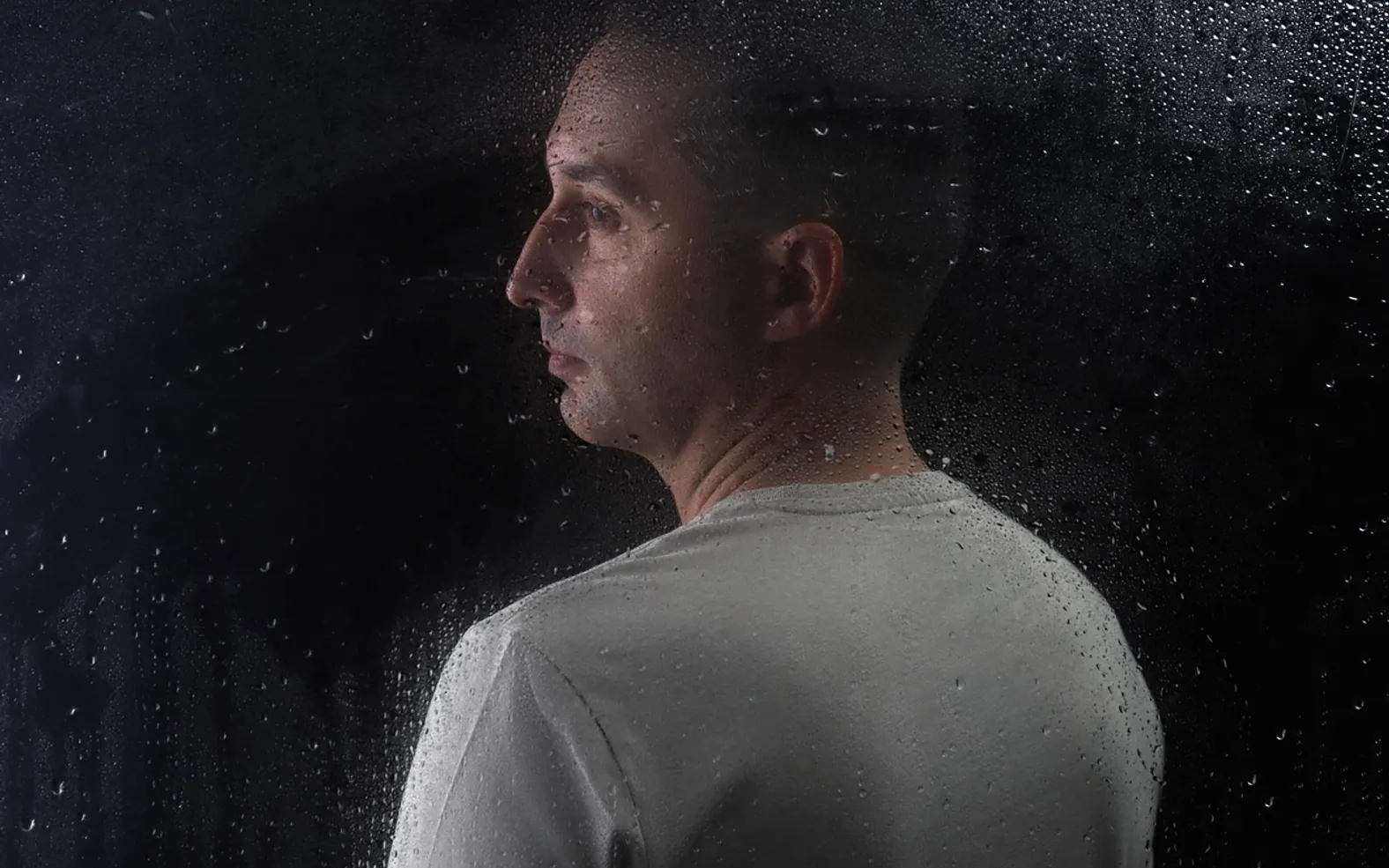
Few topics carry as much silent pressure for men as sexual performance. Advertising, online forums and casual jokes all hint that a "real man" should never have doubts in this area. When doubts do arrive, as they do for most people at some point, many men respond alone and quietly, often by reaching for a product rather than a conversation. That pattern can feed into low mood in ways that are easy to miss.
How the pressure builds
Enhancement marketing tends to sell a single, narrow picture of masculinity: always confident, always ready, always impressive. Measured against that picture, ordinary bodies and ordinary off days start to look like failures. A man who once felt fine can begin checking himself against standards that were never realistic. Over time the worry itself becomes a problem, because anxiety about performance can make performance harder, which deepens the worry.
When worry tips into low mood
Depression is more than sadness. It can show up as flatness, irritability, poor sleep, withdrawal from friends, losing interest in things that used to matter or a constant sense of not being good enough. Shame about sex can quietly add to all of these. Men are often less likely to talk about emotional struggles, so the link between a private insecurity and a heavier mood may go unnoticed for a long time.
This tension between enhancement culture and mental wellbeing has been explored by writers on men's psychology, and a thoughtful piece at h
Patterns that tend to make things worse
- Buying one product after another in the hope that the next will finally fix everything.
- Using alcohol or other substances to dull anxiety before intimacy.
- Avoiding partners or closeness altogether to escape the fear of disappointing.
- Comparing oneself with images and claims that were designed to sell, not to inform.
Steadier ways forward
Healthier responses usually start with reducing the pressure rather than chasing a cure. Regular movement, enough sleep and less alcohol support both mood and physical health. Honest conversations with a partner often reveal that expectations were never as high as feared. Friends, support groups and hobbies that have nothing to do with appearance or performance help rebuild a sense of worth that does not depend on one part of life.
It also helps to remember that changes in sexual function can have physical causes, including issues with circulation, hormones, sleep or side effects of medication. A GP is well placed to check for these underlying factors, which is a safer route than self-treating with products bought online. If low mood lasts for weeks, interferes with daily life or includes thoughts of self-harm, contact a GP, a mental health service or an emergency line straight away. Reaching out is a sign of strength, and it is often the step that finally breaks the cycle.