Stage 7 / 7Movement trail
Walking in Cold Weather: Staying Warm, Steady and Comfortable
The air bites, the light fades early and the sofa looks tempting. A few changes to clothing, shoes and pace keep a winter walk comfortable instead of miserable.
- Reading time5 min read
- Waymarked
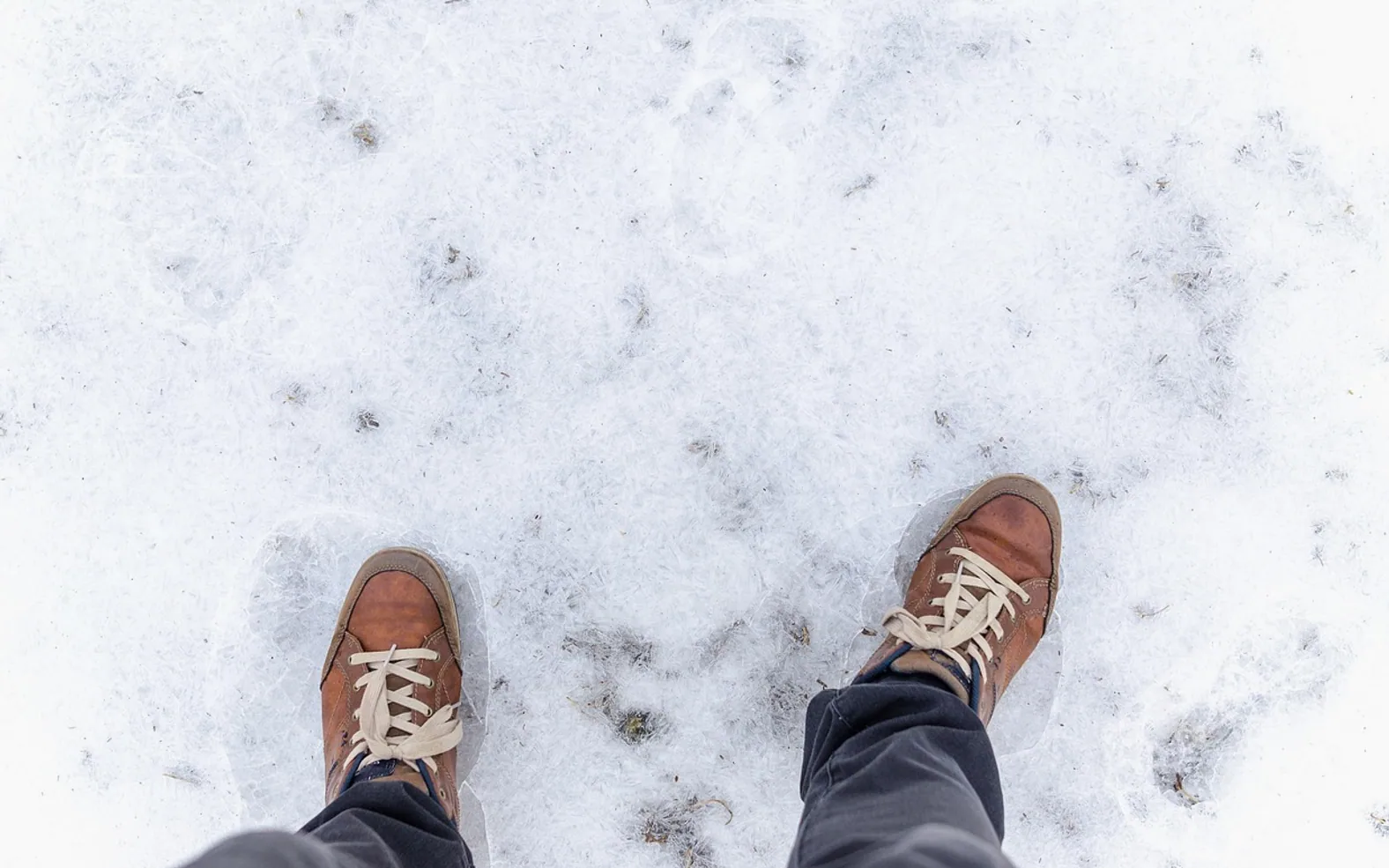
The first properly cold morning has a way of cancelling plans. You open the door, the air stings your nose, and the walk you had in mind suddenly feels optional. Yet a brisk outing on a clear, frosty day can be one of the most pleasant of the year, provided you are dressed for it and the ground underfoot is not working against you. Most of the difference between a miserable winter walk and a good one comes down to preparation rather than toughness.
Is walking in cold weather good for you?
For most healthy adults, yes. The everyday benefits of a regular walk do not disappear when the temperature drops: the heart still gets its workout, joints keep moving, and daylight is especially welcome when the days are short. The background on why a daily habit matters is in what a daily walk does for heart, mood and sleep. Cold air simply adds a few practical problems to solve, mostly around warmth, grip and visibility.
There are exceptions. Cold makes blood vessels narrow, which asks a little more of the heart, and chilly air can tighten the airways in some people. Anyone with a heart condition, angina, asthma or other lung problems, or poor circulation in the hands and feet, should ask their doctor how cold-weather activity fits their situation before heading out on the coldest days.
Dress in layers you can adjust
A common mistake is to set off in one heavy coat, overheat after ten minutes, then feel chilled once the sweat cools. Thinner layers work better because you can open, remove or add them as you warm up.
| Layer | Its job | Good choices |
|---|---|---|
| Next to the skin | Move sweat away from the body | Wool or synthetic base layers; cotton stays damp and feels cold |
| Middle | Trap warm air | Fleece, a light knit or a thin padded vest |
| Outer | Block wind and rain | A shell or jacket you can unzip as you warm up |
| Extremities | Protect the parts that chill first | Hat, gloves or mittens, warm socks, a scarf or neck tube |
Aim to feel slightly cool when you step outside. Within the first few minutes of walking, the body produces enough heat to close that gap.
Hands, feet and face
Fingers and toes lose heat quickly because the body protects its core first. Mittens tend to keep fingers warmer than gloves, and a thin liner underneath adds more. Socks should be warm but not so thick that they squeeze the foot inside the shoe, since a tight fit restricts circulation. On windy days, a scarf or neck tube pulled up over the mouth and nose warms the air a little before you breathe it in, which many people find more comfortable.
Keep your footing
Slips are the real winter hazard for walkers. Frost, wet leaves and compacted snow can make familiar pavements treacherous, particularly in the early morning and after dark.
- Choose grip over style. Shoes or boots with deep, flexible tread hold far better than smooth soles. Slip-on traction cleats are worth considering if you walk often on icy paths.
- Shorten your stride. Smaller steps with your feet slightly wider apart keep your weight centred over your legs.
- Keep hands free. Pockets feel warm, but hands out of them help you balance and catch yourself if you do slip.
- Read the surface. Shiny patches, shaded corners and metal covers are often the slipperiest spots.
- Pick cleared routes. Gritted main paths and well-kept parks are safer than shortcuts across untreated grass or steps.
Cold weather also tends to make people walk hunched, with shoulders lifted towards the ears. If your upper back feels tight after a winter outing, a few gentle neck and shoulder stretches at home can help loosen it again.
Warm up before the brisk part
Muscles and joints feel stiffer in the cold, so start at an easy pace for the first five minutes or so and only then pick up speed. Swinging the arms, rolling the shoulders and a few slow ankle circles before you leave the house can help. People who notice their knees complaining more in winter may find a short routine of simple knee exercises for everyday aches on non-walking days makes the outings easier.
Short days, low light
In winter many walks happen at dusk or in the dark. Wear something bright or reflective, carry a small torch or use a head lamp on unlit paths, and tell someone your route if you are heading somewhere quiet. Midday walks are worth protecting when you can: they offer the most daylight and usually the warmest temperatures of the day.
Where to walk when it is cold
Flat, sheltered routes are kinder in winter than exposed hills. Tree-lined park paths break the wind, lakeside and riverside loops are usually level, and a route with benches and a café lets you warm up halfway. Many city parks stay pleasant all year; quiet lakeside and park walks in southeast Seoul are one example of the kind of easy, level route that suits a cold afternoon. On the very worst days, indoor options such as a covered market, a large museum or a shopping arcade still let you clock up steady walking.
Drink, even if you are not thirsty
Thirst is easier to miss in cold weather, yet you still lose fluid through breath and sweat under the layers. A warm drink before you leave and water when you return are simple habits. A flask of something hot is a pleasant reason to stop and enjoy the view.
When to turn back or skip a day
Head indoors and warm up gradually if you notice any of these:
- Numb, white or waxy patches on fingers, toes, ears or nose.
- Shivering that will not stop, or clumsiness and confusion.
- Chest pain, pressure or unusual breathlessness.
- Wheezing that does not settle after a few minutes of slower walking.
Chest pain that does not ease quickly with rest needs emergency help. For skin that stays numb or discoloured after warming, or any other worrying symptom, contact a doctor. On days of freezing rain or heavy ice, an indoor alternative is the sensible choice rather than a test of resolve.