Stage 2 / 3Guides & Tips trail
Smart Ways to Finance a Bright Implant Smile
A gap in the smile reaches beyond looks. It may alter how someone chews, which foods they avoid and how freely they smile in photographs. Implants are a popular way to restore…
- Reading time3 min read
- Waymarked
- Revised
- CategoriesHealth
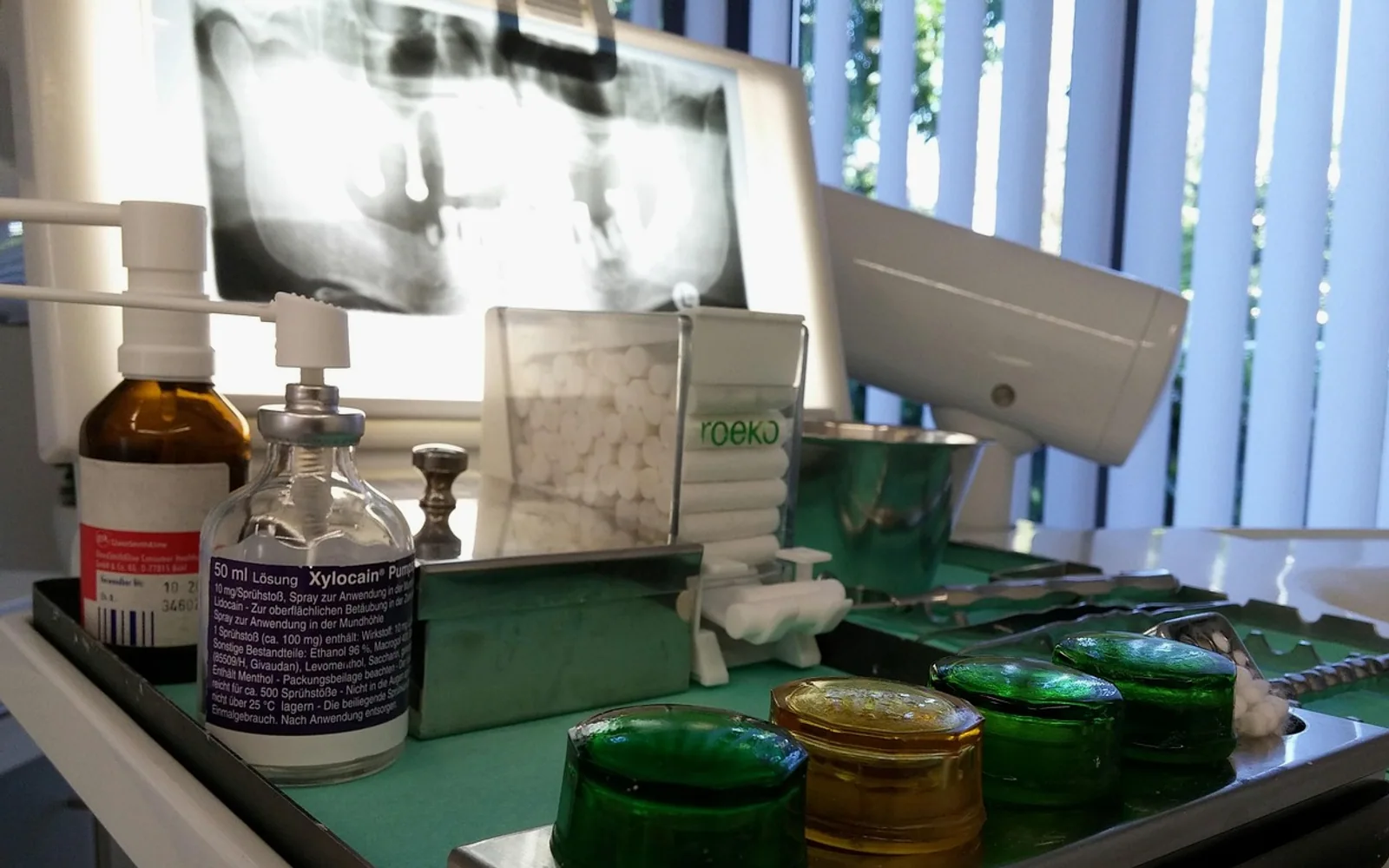
A gap in the smile reaches beyond looks. It may alter how someone chews, which foods they avoid and how freely they smile in photographs. Implants are a popular way to restore that, but the cost often puts people off before they have even asked for a consultation. Breaking the bill into parts and lining up the right funding can make the decision far less daunting.
Ask for a clear, itemised estimate
An implant is not a single purchase. Treatment usually involves assessment and imaging, the surgical placement of the post, a healing period, a connector piece and finally the visible crown. Some cases also need extractions or bone grafting first. A bundled figure can feel overwhelming, while an itemised plan shows exactly what each stage involves and when it is likely to happen. That timeline is the foundation for every financing decision that follows.
For readers in Texas, Summerbrook Dental & Implants Fort Worth is one local option to explore when gathering estimates. Talking a plan through with an implant-focused team helps patients understand the stages, ask about timing and compare the options that suit their own mouth and budget.
Make the most of existing cover
Dental insurance rarely covers an entire implant case, but it may contribute to parts of it, such as an extraction, a graft or the crown. Many insurers will review a pre-treatment estimate and confirm what they will pay before work begins, which removes guesswork. Policies differ widely, including waiting periods and annual limits, so reading the terms carefully or calling the insurer is worthwhile.
Tax-advantaged accounts and timing
In some countries, people can set aside money for medical and dental costs in accounts that offer tax advantages, such as health savings or flexible spending arrangements. Rules, limits and eligible expenses vary by country, employer and year, so it is sensible to confirm the details with the plan provider or a tax adviser before relying on them. Where treatment stretches over several months, the timing of each stage can sometimes line up with a new plan year or a fresh insurance allowance.
Spreading treatment and payments
Because implant work naturally happens in phases, the cost can often be spread too. Common routes include:
- Staged treatment: completing preparatory work first and placing implants later, when the clinician agrees the timing is clinically sound.
- In-house payment plans: some practices let patients pay in instalments over an agreed period.
- Healthcare credit or personal loans: these can help, but interest rates, fees and what happens after any promotional period should be read closely.
- Savings set aside in advance: a dedicated savings pot started at the consultation stage can reduce how much needs to be borrowed.
Borrowing always carries risk. Comparing the total amount repayable, not just the monthly figure, and avoiding commitments that would strain a household budget are basic but important checks. An independent financial adviser can help where the sums are large.
Thinking about long-term value
When comparing an implant with alternatives such as a bridge or a removable denture, it helps to ask how each option is likely to need maintenance or replacement over time. The answer depends on the individual mouth, oral hygiene and general health, so it is a question for the dentist rather than a fixed rule. Looking at the whole picture, rather than the first invoice alone, makes it easier to choose a plan that feels sustainable and leads to a smile worth showing.