Stage 3 / 4Health trail
Braces or Clear Aligners: Choosing Orthodontic Paths with Confidence
Two people can sit in the same clinic chair with similarly crooked teeth and leave with completely different treatment plans. That is not inconsistency. The right appliance depends on the bite underneath…
- Reading time3 min read
- Waymarked
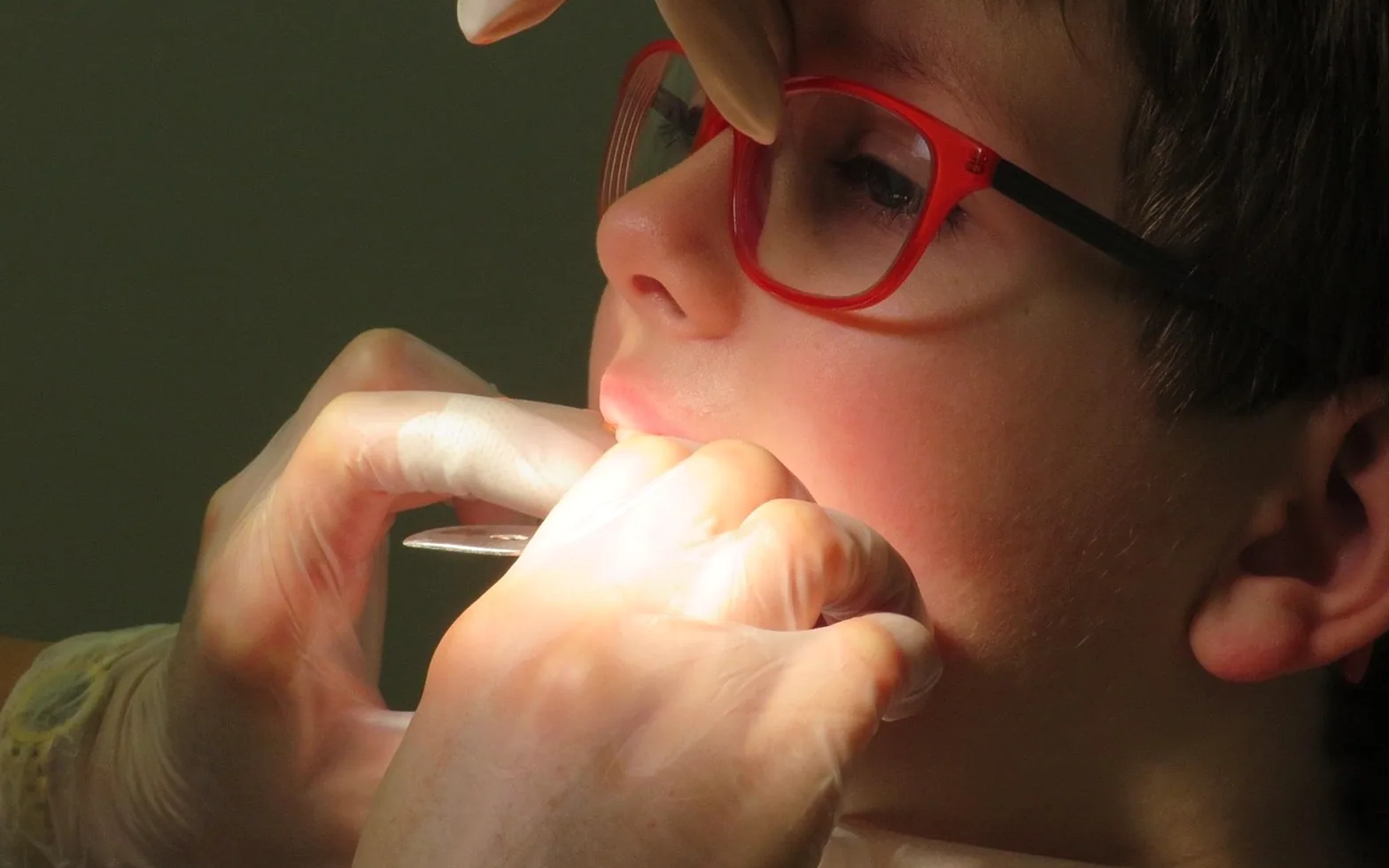
Two people can sit in the same clinic chair with similarly crooked teeth and leave with completely different treatment plans. That is not inconsistency. The right appliance depends on the bite underneath the smile, on the habits of the person wearing it and on the shape of an ordinary week. Thinking those three things through before the first scan makes the conversation with the clinic far more productive.
Start with the bite, not the product
Orthodontics as a discipline is about how teeth and jaws meet, not only how a smile looks in a photograph. Specialists in the field look at crowding, gaps, rotated teeth, how the upper and lower arches line up and whether a tooth needs to move bodily or simply tip. Those details usually matter more than any preference for one system over another, and a good first consultation spends most of its time on them. Once the movements are mapped, the choice between fixed and removable hardware tends to become much clearer.
Where fixed braces shine
Brackets bonded to the teeth and linked by a wire work around the clock, whether or not anyone remembers them. That constant contact gives fine control over demanding movements such as turning a stubborn canine, closing extraction spaces or levelling teeth that sit at different heights. The cost shows up in daily care. Food gathers around every bracket, so brushing takes longer and small interdental brushes become part of the routine. Very hard or sticky snacks can loosen a bracket, which means an extra visit. For many teenagers, though, the fact that nothing can be left on a lunch tray is a real advantage.
What clear aligners ask of the wearer
Aligners are a series of thin, removable trays, each one guiding the teeth a little further along a planned route. Because they come out, meals carry no restrictions and brushing is no harder than usual. The other side of that freedom is self-discipline: trays only move teeth while they are being worn, so they have to go back in promptly after eating, and teeth should be cleaned first to avoid trapping food against the enamel. Small tooth-coloured bumps, called attachments, are sometimes added to give the plastic extra grip for certain movements.
A quick side-by-side
| Factor | Fixed braces | Clear aligners |
|---|---|---|
| Visibility | Noticeable, though tooth-coloured brackets blend in more | Hard to spot in everyday conversation |
| Daily effort | Careful cleaning around wires and brackets | Remembering to wear, remove and rinse trays |
| Food | Some hard or chewy foods are best avoided | Trays come out for meals |
| Complex movements | Often more predictable | Steadily improving, depends on the case |
| Visits | Regular adjustments and occasional repairs | Fit checks, sometimes with photo check-ins from home |
Honest questions before deciding
- Will the trays really be worn through school days, office lunches, weekends and holidays?
- Is the wearer comfortable cleaning around obstacles every evening, even when tired?
- Does the family calendar suit regular in-person adjustment appointments?
- Would a combined plan help, such as a short phase of braces for the hardest movement followed by aligners to finish?
Whichever path is chosen, gums need steady care throughout. Routine cleanings with a dentist or hygienist, fluoride toothpaste and a retainer once active treatment ends all help protect the result. The best option is the one the treating clinician can justify for that particular bite and that the patient can realistically keep up, month after month.