Stage 1 / 3Lifestyle trail
Does Diet Soda Cause Weight Gain?
Zero-calorie fizz sounds like a free pass, yet diet soda keeps turning up in conversations about weight. Here is what is known, what is still debated and how to cut back without fuss.
- Reading time4 min read
- Waymarked
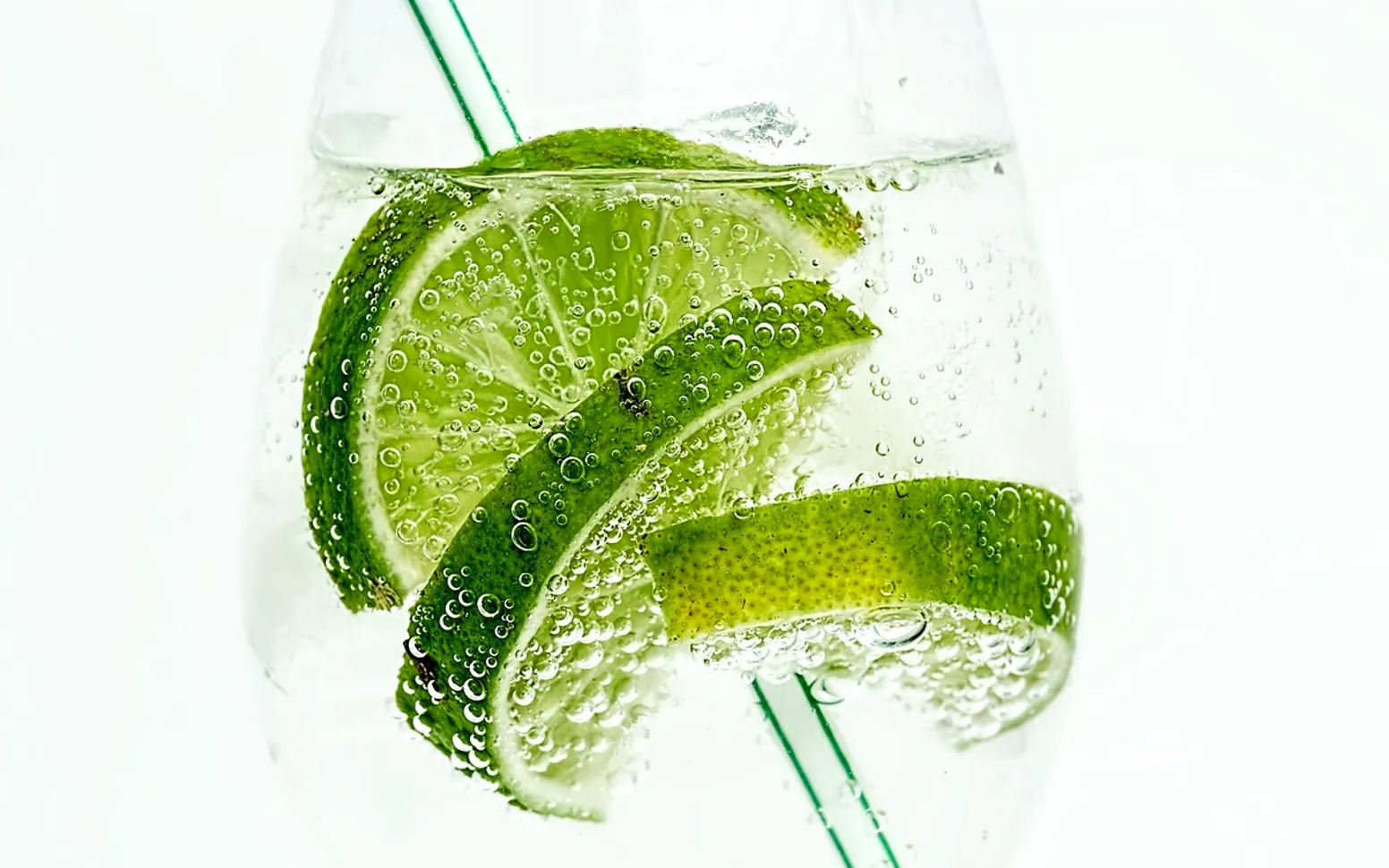
Diet soda itself contains almost no calories, so it does not cause weight gain in the direct way sugary drinks can. Swapping a regular soda for a diet one cuts sugar and calories, which is a reasonable step for many people. The picture gets murkier when diet soda becomes a daily habit: research has found links between heavy diet soda drinking and weight gain, but it has not shown that the drink is the cause, and the explanation may lie in the habits that tend to come with it. Water remains the simplest everyday drink.
Where the worry comes from
On paper, the maths is simple: a drink with no calories cannot add fat. Yet people who drink a lot of diet soda are, in some observational research, more likely to be heavier or to gain weight over time. There are several possible reasons, and they are still being debated:
- Reverse direction. People who are already trying to manage their weight are more likely to choose diet drinks in the first place, so the drink may follow the weight rather than cause it.
- Compensation. Some people feel that a "free" drink earns them a dessert or a larger meal, which can cancel out the calories saved.
- Sweet-taste habit. Regular intense sweetness may keep a preference for sweet foods going, although this idea is not settled.
- Appetite and gut effects. Researchers continue to study whether sweeteners affect appetite signals or gut bacteria. The findings so far are mixed.
Because of this uncertainty, some public health bodies have advised against relying on sweeteners as a tool for weight control, while still regarding approved sweeteners as safe within normal intakes.
Diet soda versus other drinks
| Drink | Upside | Downside |
|---|---|---|
| Regular soda | Familiar taste | High in sugar and calories, linked with tooth decay |
| Diet soda | Almost no sugar or calories | Acidic for teeth, keeps the sweet habit going, may contain caffeine |
| Sparkling water | Fizz without sweeteners | Some flavored versions contain sugar or acids, so check the label |
| Plain water | No calories, no sugar, kind to teeth | Can feel boring at first |
| Unsweetened tea or coffee | Flavor without sugar | Caffeine can disturb sleep later in the day |
Other things worth knowing
Teeth
Diet soda does not contain sugar, but it is still acidic, and frequent sipping can wear tooth enamel over time. Drinking it with a meal rather than across the whole day, and not brushing straight afterwards, are commonly suggested habits.
Bloating
Carbonation adds gas to the stomach, and some sweeteners can cause wind or loose stools in larger amounts. If a puffy belly bothers you, our guide on how to reduce bloating explains why fizzy drinks are often on the list.
Caffeine
Many colas contain caffeine. An afternoon can may not seem like much, but it can affect sleep for some people, and poor sleep makes it harder to manage appetite.
A safety note on aspartame
People with the inherited condition phenylketonuria must avoid aspartame, which is why products containing it carry a warning about phenylalanine.
Cutting back without misery
- Notice your pattern. When do you reach for a can: at lunch, during a slump, alongside a snack? Knowing the trigger helps you replace it.
- Swap one a day. Replace a single can with sparkling water and a squeeze of lime, then repeat once that feels normal.
- Keep water visible. A full bottle on your desk is easier to reach for than a fridge across the room.
- Change the ritual, not just the drink. If the can is a break from work, keep the break and change what is in your hand.
- Expect a dip. If your soda contains caffeine, cutting down quickly may bring a headache for a few days. Tapering helps.
For more on water as the go-to swap, see our article does drinking water help you lose weight?
Common questions
Is diet soda better than regular soda?
For sugar and calories, yes. For teeth and the sweet-drink habit, it is not a clear winner. As an occasional drink it is fine for most people.
Does diet soda raise blood sugar?
Most sweeteners used in diet drinks do not raise blood sugar the way sugar does. People living with diabetes should still follow the advice of their own care team.
How much diet soda is too much?
There is no single number that suits everyone. If cans are replacing water across your whole day, cutting back is a sensible goal.
If weight is the bigger worry
Drinks are only one piece of the picture. If you are concerned about your weight, unexplained weight changes or blood sugar, a doctor or registered dietitian can look at your overall health and help you plan changes that fit your life.