Stage 2 / 3Lifestyle trail
Does Drinking Water Help You Lose Weight?
Water is not a fat burner, yet it earns its place in any weight plan. A look at the realistic ways it helps, the myths that oversell it and easy habits for sipping more.
- Reading time4 min read
- Waymarked
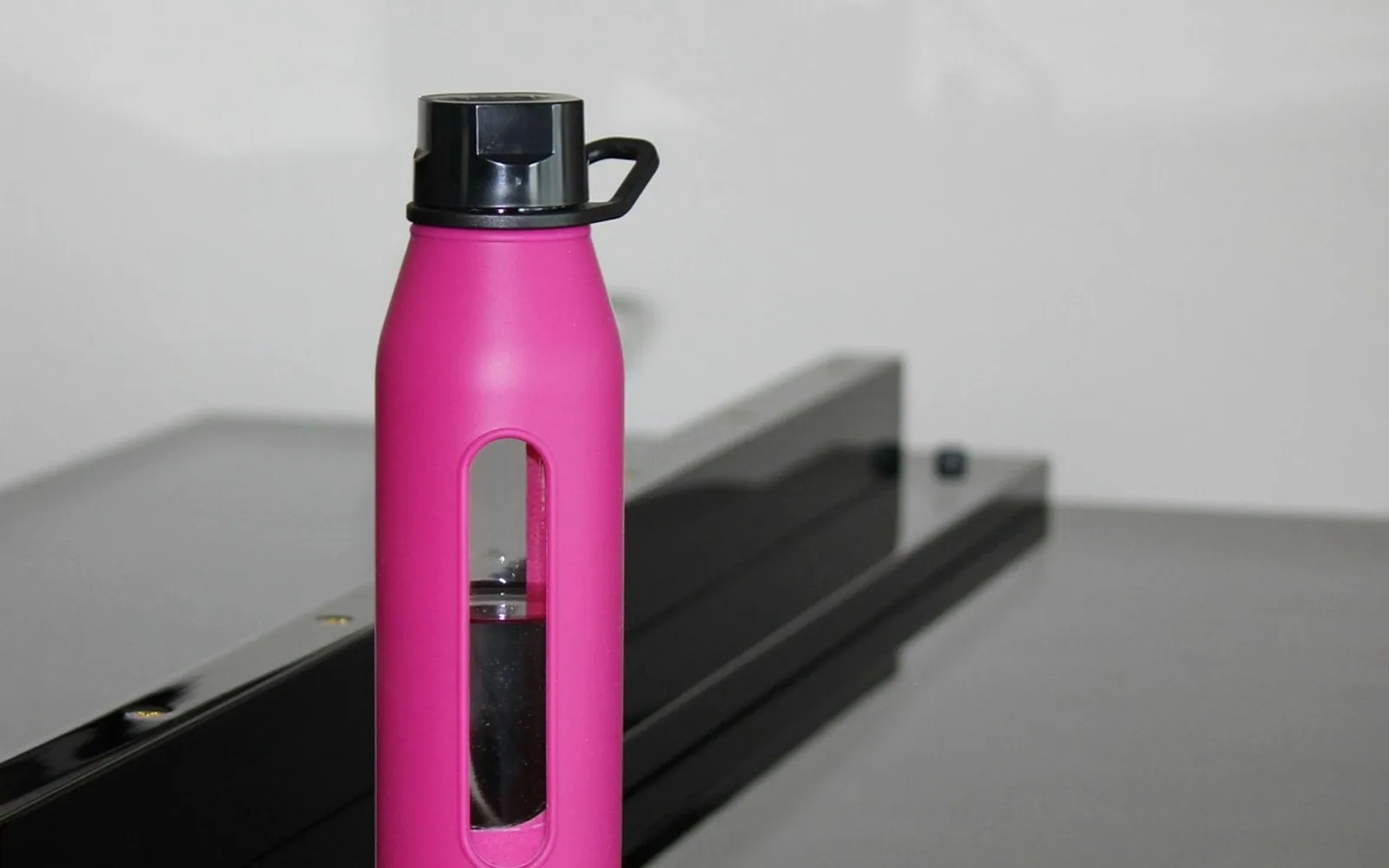
Drinking water can support weight loss, but mostly in indirect ways. Water has no calories, so choosing it instead of sugary drinks cuts calories without you having to eat less. A glass before a meal may help some people feel full a little sooner, and staying hydrated makes regular movement more comfortable. What water does not do is melt fat, "flush out" weight or speed up your metabolism in any meaningful way. Think of it as a helpful habit, not a shortcut.
Where water genuinely helps
It replaces drinks that carry calories
This is the biggest and most reliable effect. Regular soda, sweetened coffees, energy drinks, juice and alcohol can add a surprising amount of energy to a day without making you feel any fuller. Swapping some of them for water is a change that does not require eating less food. If diet soda is your current swap, our article on whether diet soda causes weight gain looks at the pros and cons.
It may take the edge off appetite
Some people find that drinking a glass of water before a meal helps them notice fullness earlier, so they serve themselves a little less. The effect is modest and varies from person to person, but it is an easy experiment.
It can stand in for mindless snacking
Thirst, boredom and tiredness are easy to confuse with hunger. Pausing for a drink of water before reaching for a snack gives you a moment to check what you actually need.
It keeps digestion comfortable
If you are eating more vegetables, whole grains and beans as part of a weight plan, the extra fiber works best with enough fluid. Without it, some people end up constipated or bloated. Our guide on how to reduce bloating covers the fiber-and-fluids balance.
It makes moving easier
Being well hydrated helps you feel better during exercise, especially in warm weather. A regular walk, as described in the benefits of walking every day, is easier to enjoy when you are not parched.
Myths worth ignoring
| Claim | What is more accurate |
|---|---|
| "Water flushes out fat" | Fat is used for energy by the body; water does not wash it away |
| "Ice-cold water burns lots of calories" | Warming cold water uses very little energy, not enough to matter for weight |
| "The more you drink, the more you lose" | Drinking far beyond thirst offers no extra benefit and can be harmful |
| "Lemon water melts belly fat" | Lemon adds flavor, which may help you drink more, but has no fat-burning power |
| "Weight lost overnight on the scales is fat" | Day-to-day changes on the scales are mostly shifts in body water |
How much is enough?
Fluid needs depend on your size, activity, the weather and your health, so there is no single figure that fits everyone. For most healthy adults, drinking when thirsty and having a drink with each meal is a reasonable guide. Pale straw-colored urine is a simple sign you are drinking enough, while dark urine suggests you may need more. Food counts too: soups, fruit and vegetables all contribute to your daily fluid.
Habits that make water easier
- Keep a refillable bottle within reach at your desk, in your bag or in the car.
- Pair a glass of water with something you already do, such as your morning coffee or brushing your teeth.
- Add flavor with sliced cucumber, citrus, mint or a few berries.
- Try sparkling water if you miss the fizz of soda.
- Order a glass of water alongside any drink when eating out.
- Have water with every meal, which also slows the pace of eating a little.
Common questions
Does drinking water before bed help with weight loss?
There is no special effect at night, and a large glass right before bed may simply wake you up to use the bathroom. Spreading water through the day works better.
Do tea and coffee count?
Yes, they contribute to your fluid intake. Watch what goes into them, though: syrups, cream and sugar can turn a low-calorie drink into a dessert.
Can you drink too much water?
It is uncommon, but drinking very large amounts in a short time can dilute the salt in your blood, which is dangerous. This is mainly a risk during long endurance events or with certain health conditions. Drinking to thirst avoids it for most people.
Who should check first
People with heart failure, kidney disease or some other conditions may be told to limit their fluids, and certain medicines affect how the body handles water. If that applies to you, follow your doctor's advice rather than general tips. For anyone hoping to lose weight, a doctor or registered dietitian can help set a realistic plan, and unexplained weight loss or constant thirst should always be checked.