Stage 3 / 5Heart Health trail
Foods to Avoid With High Cholesterol (and What to Eat Instead)
Cutting back on a handful of foods rich in saturated and trans fats is one of the most practical steps for cholesterol. Here is the list, the reasoning and easy swaps for each.
- Reading time4 min read
- Waymarked
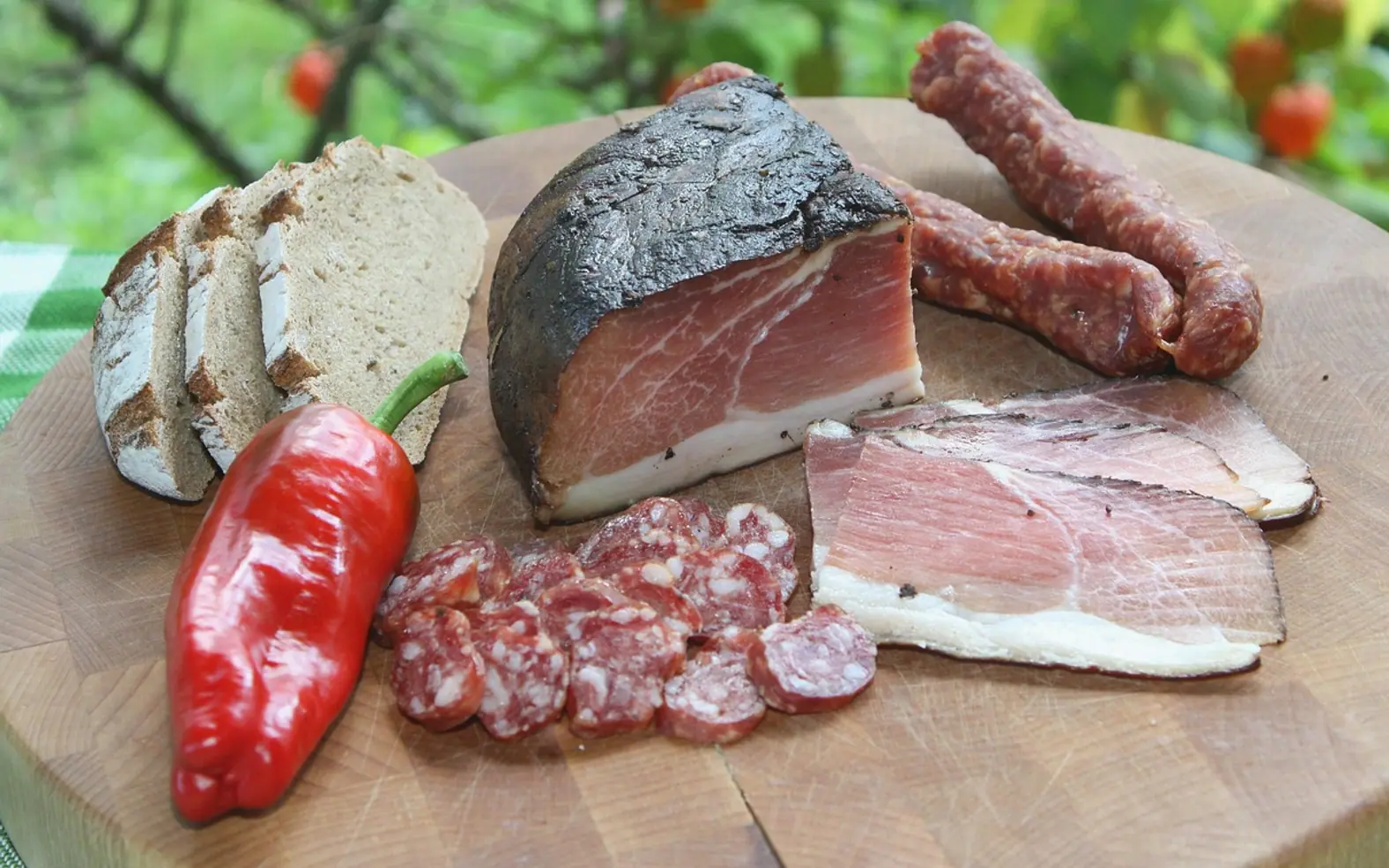
If your cholesterol is high, the foods most worth limiting are those rich in saturated fat or trans fat: fatty and processed meats, butter, lard and ghee, cream and hard cheese eaten in large amounts, coconut and palm oil, pastries, cakes and biscuits, and fried takeaway food. These fats can raise LDL, the type of cholesterol that builds up in artery walls. You do not need to cut out everything you enjoy. Swapping some of these foods for alternatives made with unsaturated fats and more fiber is usually the more sustainable route.
This article focuses on the "less of" side of the plate. For the "more of" side, start with our pillar guide on how to lower cholesterol naturally.
Why some foods matter more than others
For most people, the type of fat in their diet has a bigger influence on blood cholesterol than the cholesterol found in food itself. Saturated fat, found mostly in animal products and a few tropical oils, tends to push LDL up. Trans fats, which can form when vegetable oils are partly hardened during processing, are considered especially unhelpful because they can raise LDL and lower HDL, the "helpful" type. Many countries have restricted artificial trans fats, but it is still worth reading labels for "partially hydrogenated" oils.
Sugary foods and alcohol come into the picture too, because they can raise triglycerides, another blood fat your doctor may measure alongside cholesterol.
The main foods to limit
Processed and fatty meats
Sausages, bacon, salami, hot dogs, burgers made from fatty mince and meat pies tend to carry a lot of saturated fat, and processed meats are often salty as well. Fatty cuts of red meat with visible marbling fall into the same group.
Butter, lard, ghee and suet
These solid cooking fats are rich in saturated fat. Spreading less, or cooking with a liquid vegetable oil instead, is an easy change.
Full-fat dairy in large amounts
Cream, hard cheese, ice cream and full-fat milk contain saturated fat. Dairy can still fit into a heart-friendly diet; many people simply choose lower-fat versions or smaller portions.
Coconut and palm oil
Despite their plant origins, both oils are high in saturated fat. They often appear in processed snacks, non-dairy creamers and some baked goods.
Pastries, cakes and biscuits
Many shop-bought bakes combine butter or hard fats with refined flour and sugar. Croissants, doughnuts, cookies and pastries are worth treating as occasional foods.
Fried takeaways and fast food
Deep-fried chicken, battered fish, chips cooked in reused oil and other fast-food staples can be high in saturated fat and sometimes trans fat.
Sugary drinks and too much alcohol
These do not contain fat, but regular sugary drinks and heavy drinking can raise triglycerides and add calories that make weight harder to manage.
Simple swaps
| Instead of | Try |
|---|---|
| Butter for cooking | Olive, rapeseed (canola) or sunflower oil |
| Sausages or bacon at breakfast | Eggs with tomatoes, beans on whole grain toast, or oatmeal |
| Fatty mince | Lean mince, or half mince and half lentils |
| Cream in sauces | Plain yogurt stirred in off the heat, or a tomato-based sauce |
| Crisps or pastries as snacks | A small handful of unsalted nuts, fruit or vegetable sticks with hummus |
| Fried takeaway | Grilled, baked or steamed versions of the same dish |
| Ice cream every night | Fruit with yogurt on most nights, ice cream as an occasional treat |
What about eggs and shellfish?
Eggs and shellfish contain dietary cholesterol but relatively little saturated fat. For many people, they can be part of a balanced diet. Advice can differ for people with certain conditions, such as diabetes or an inherited cholesterol disorder, so ask your doctor or a registered dietitian what suits you.
Reading a food label
- Check the saturated fat line, not just total fat.
- Look for "partially hydrogenated" oils in the ingredients list.
- Compare similar products; the difference between brands can be larger than expected.
- Watch the serving size, which may be smaller than the portion you actually eat.
Beyond the plate
Food is one part of the picture. Regular movement, not smoking and keeping to a healthy weight all support healthier cholesterol. A daily stroll is a gentle place to start, and the benefits of walking every day explains how to build it up. Many of the same food swaps also help blood pressure, which our guide to foods to avoid with high blood pressure covers.
Common questions
Do I have to give up red meat completely?
Not necessarily. Choosing leaner cuts, trimming visible fat and eating smaller portions less often is a common approach. Your doctor or dietitian can help you set a realistic target.
Is cheese off the menu?
Smaller portions of stronger-flavored cheese, or lower-fat varieties, can let you keep enjoying it while reducing saturated fat.
Keep your doctor in the loop
High cholesterol rarely causes symptoms, so a blood test is the only way to know your numbers. Some people, including those with an inherited form of high cholesterol, need medication as well as dietary changes, and food alone may not bring levels down enough. Never stop or change a prescribed medicine because you have changed your diet; talk to your doctor first. Chest pain, pressure or breathlessness should always be treated as an emergency.