Stage 1 / 5Heart Health trail
How to Lower Cholesterol Naturally
Food choices, regular movement and a few other habits can all help keep cholesterol in a healthier range. Here is a calm overview, and why your doctor stays in the loop.
- Reading time4 min read
- Waymarked
A cholesterol result that comes back higher than expected can be unsettling, especially when you feel perfectly well. High cholesterol usually causes no symptoms at all, which is why it is often discovered during a routine check. The encouraging part is that everyday habits, particularly what you eat and how much you move, can play a real role in managing it.
This article covers the lifestyle side. It is not a replacement for medical advice: your doctor knows your full picture and can tell you whether lifestyle changes alone are enough or whether something more is needed.
Cholesterol in plain terms
Cholesterol is a fatty substance your body needs to build cells and make certain hormones. It travels around the bloodstream in packages called lipoproteins. Two are talked about most:
- LDL, often called "bad" cholesterol, can build up in the walls of blood vessels over time.
- HDL, sometimes called "good" cholesterol, helps carry cholesterol away to the liver.
A blood test may also measure triglycerides, another type of fat in the blood. Your doctor will explain what your own numbers mean, because healthy targets depend on your age, other conditions and overall risk.
Start with what is on your plate
Swap some fats rather than cutting all fat
Health organizations generally advise eating less saturated fat and replacing it with unsaturated fats. In practice that might mean cooking with olive or canola oil instead of butter, snacking on a small handful of unsalted nuts instead of pastries, and choosing lean cuts of meat or poultry more often than fatty or processed meats.
Make room for soluble fiber
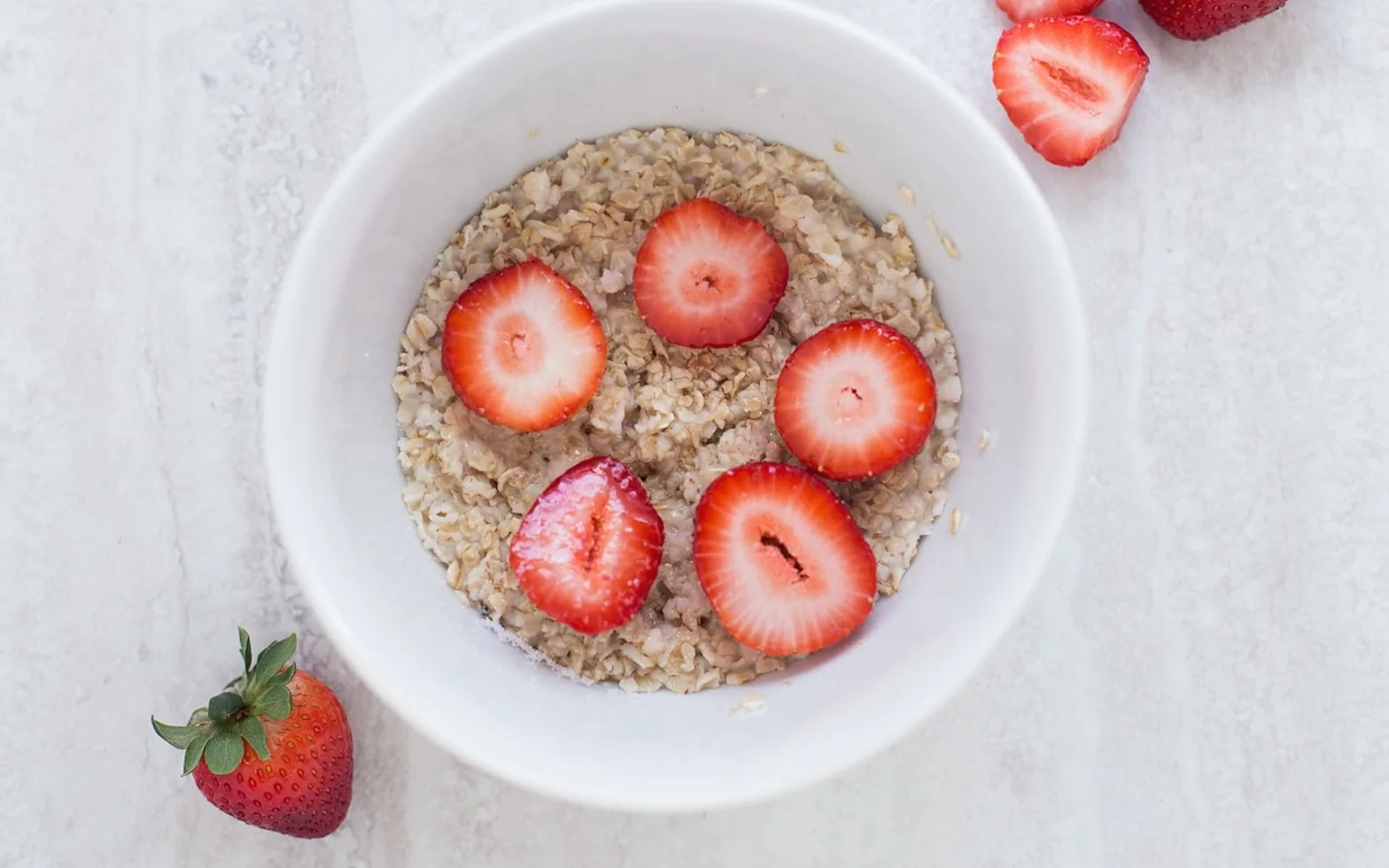
Soluble fiber forms a gel in the gut and is thought to help reduce the amount of cholesterol absorbed. Good sources include oats, barley, beans, lentils, chickpeas, apples, pears and citrus fruit. A bowl of oatmeal in the morning or a handful of beans stirred into a soup are easy ways in.
Lean on vegetables and whole grains
Filling half the plate with vegetables, and choosing whole-grain bread, rice and pasta, adds fiber and leaves less room for heavily processed foods.
Include oily fish if you eat fish
Salmon, mackerel, sardines and similar fish provide unsaturated fats that are widely recommended as part of a heart-friendly diet.
| Instead of | Try |
|---|---|
| Butter for frying | A little olive or canola oil |
| Sausages or bacon most mornings | Oats with fruit, or eggs with whole-grain toast |
| Cookies or cake as a snack | Fruit, plain yogurt or unsalted nuts |
| Creamy pasta sauces | Tomato-based sauces with beans or vegetables |
| White bread | Whole-grain or seeded bread |
Move more, in ways you enjoy
Regular physical activity supports heart health in several ways and is often recommended alongside diet changes for people with raised cholesterol. It does not need to mean a gym membership. Brisk walking, cycling, swimming, dancing and gardening all count. If you are starting from very little, begin gently and build up. Our guide to the benefits of walking every day is a good place to start.
Other habits that help
- Stopping smoking. Smoking harms blood vessels and is linked to lower levels of HDL. Quitting is one of the most valuable changes for heart health, and free support is widely available.
- Keeping alcohol within recommended limits. Drinking too much can raise triglycerides and affects the heart in other ways.
- Working toward a healthy weight. For people carrying extra weight, losing some can improve cholesterol levels. Small, steady changes tend to last better than strict diets.
A note on supplements
Shelves are full of products promising to lower cholesterol. Some may interact with medicines or are not suitable for everyone, and none replaces a balanced diet. Speak to a pharmacist or doctor before taking anything, especially if you already take prescribed medication.
When lifestyle is not the whole story
For some people, cholesterol is high mainly because of their genes. In families where high cholesterol is inherited, diet and exercise still matter, but medication is often needed as well. If your doctor prescribes a cholesterol-lowering medicine, the habits above still support it. Never stop or change a prescribed medicine without talking to your doctor first.
See a doctor if …
- you have never had your cholesterol checked, or it has been a long time since your last test;
- close relatives developed heart disease at a young age or have very high cholesterol;
- you have diabetes, high blood pressure or kidney disease;
- you want to make big changes to your diet or exercise and have an existing health condition.
Chest pain, pressure or tightness, especially with breathlessness, sweating or pain spreading to the arm, jaw or back, is an emergency. Call your local emergency number straight away.