Stage 5 / 5Heart Health trail
What Foods Are High in Potassium?
Bananas get the fame, but beans, potatoes, leafy greens and many other everyday foods are rich in potassium too. Here is where to find it, why it matters and who should check first.
- Reading time4 min read
- Waymarked
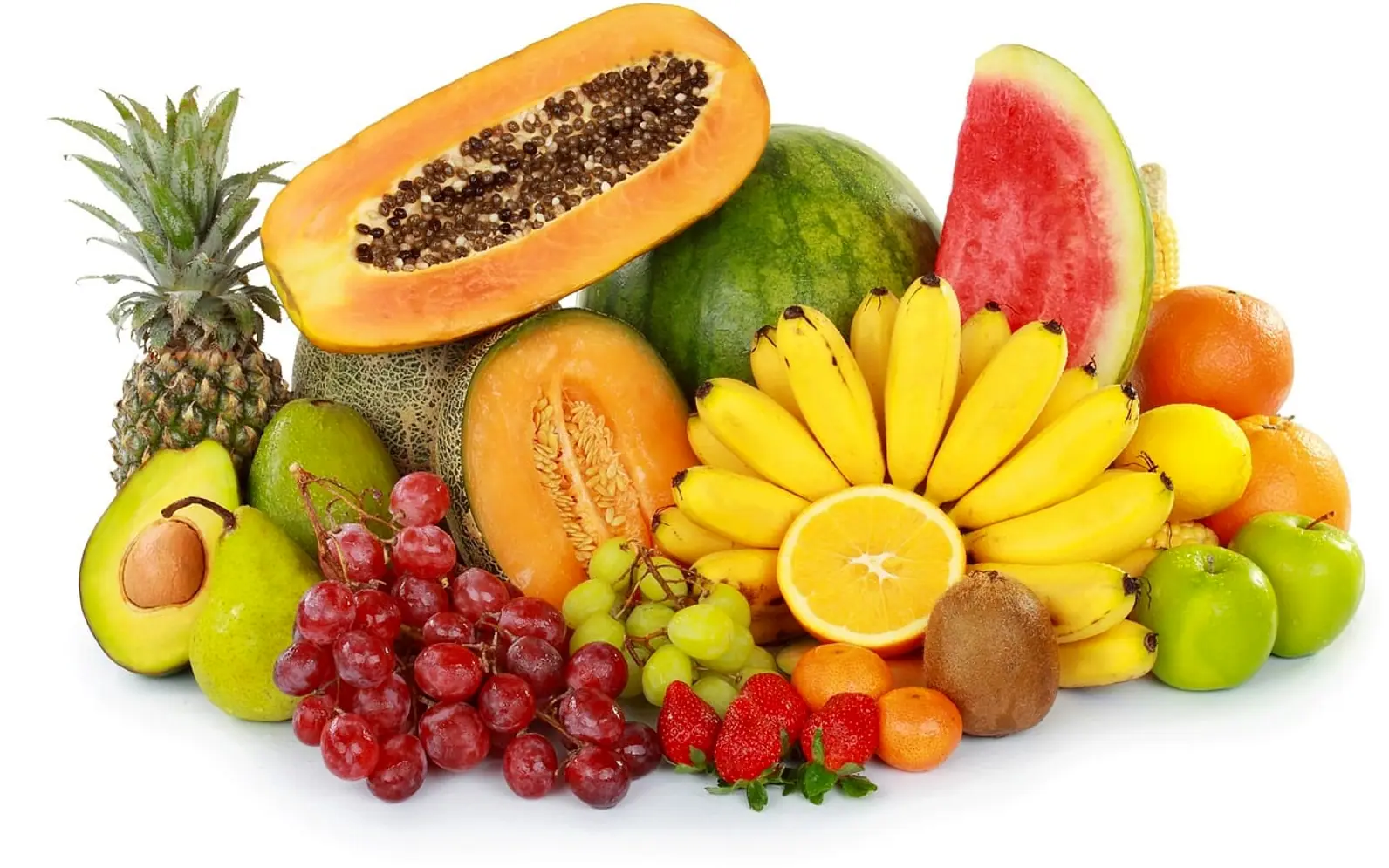
Foods high in potassium include beans and lentils, potatoes and sweet potatoes (especially with the skin), leafy greens such as spinach, tomatoes and tomato paste, avocados, bananas, oranges, dried fruit such as apricots and raisins, squash, yogurt and milk, and fish such as salmon. Most people can get plenty of potassium from a varied diet built around plants. The exception is anyone with kidney disease or taking certain medicines, who may need to limit potassium, so they should follow their doctor's advice rather than general lists.
What potassium does
Potassium is a mineral and an electrolyte. It helps nerves send signals, muscles contract, including the heart muscle, and the body keep its fluid balance. It also works in a kind of partnership with sodium: eating more potassium-rich foods while cutting back on salt is a combination often recommended for healthier blood pressure.
The kidneys keep blood potassium within a narrow range by getting rid of what the body does not need. That is why kidney health matters so much to the advice below.
Potassium-rich foods by group
| Group | Good sources | Easy ways to eat them |
|---|---|---|
| Pulses | White beans, kidney beans, lentils, chickpeas, soybeans | Soups, stews, salads, hummus |
| Starchy vegetables | Potatoes and sweet potatoes with skin, winter squash | Baked, roasted or mashed with the skins on |
| Leafy greens | Spinach, Swiss chard, beet greens | Wilted into pasta, eggs or curries |
| Other vegetables | Tomatoes and tomato paste, mushrooms, broccoli, carrots | Sauces, stir-fries, roasted trays |
| Fruit | Bananas, oranges, avocados, cantaloupe, kiwi | Breakfast, snacks, salads |
| Dried fruit | Apricots, raisins, prunes, dates | A small handful, as they are also high in sugar |
| Dairy and alternatives | Milk, yogurt, fortified soy drinks | Breakfast bowls, smoothies, sauces |
| Fish | Salmon, tuna, cod | Grilled, baked or in a salad |
Are bananas really the best source?
Bananas are a convenient source, which is why they come up so often, but they are far from the only one. Beans, potatoes with their skins, leafy greens and tomato products are also rich in potassium. Spreading these across your meals is easier than relying on a single fruit. Sweet potatoes are a favorite example, and our article are sweet potatoes healthy? looks at what else they bring.
Simple ways to eat more
- Add a can of rinsed beans or lentils to soups, chilis and pasta sauces.
- Keep the skins on potatoes when baking or roasting.
- Stir a handful of spinach into eggs, curries or stews right at the end.
- Swap a salty snack for a piece of fruit or some yogurt.
- Build a tomato-based sauce from scratch instead of using a jar high in salt.
Cooking method makes a difference: boiling vegetables lets some potassium leach into the water, while steaming, roasting or using the cooking liquid in a soup keeps more of it.
Potassium and blood pressure
Because potassium helps balance the effects of sodium, diets rich in fruit, vegetables and pulses are often recommended for people with high blood pressure. The other half of the equation is cutting back on salt, which our guide to foods to avoid with high blood pressure explains. The same plant-heavy plate also helps cholesterol, as how to lower cholesterol naturally describes.
Who needs to be careful
For some people, too much potassium can build up in the blood and affect the heart's rhythm. Talk to your doctor before increasing potassium-rich foods, using a salt substitute or taking any supplement if you:
- have kidney disease or reduced kidney function;
- take medicines that can raise potassium, which include some blood pressure and heart medicines and certain water tablets;
- have diabetes or heart failure and are under regular medical review;
- have been told your potassium levels are high or low.
If you have been advised to follow a low-potassium diet, a dietitian can help you plan meals that remain varied and filling.
Common questions
Should I take a potassium supplement?
Most people do not need one. Supplements can cause problems if levels rise too high, so take them only if a doctor recommends it.
Can you get too little potassium?
Low potassium is usually linked to illness or medicines rather than diet alone, for example after prolonged vomiting or diarrhea, or with certain water tablets. Muscle weakness, cramps or a fluttering heartbeat should be checked by a doctor.
How do I know my potassium level?
A simple blood test measures it. Your doctor may check it routinely if you take certain medicines or have kidney or heart concerns.
Get medical help if …
You notice a racing, irregular or fluttering heartbeat, unusual muscle weakness, or chest pain. These symptoms need prompt attention, and chest pain or sudden weakness needs emergency care.